Same-day windshield replacement sounds like a luxury until a rock flips up on the highway, the crack sprints across your field of vision, and your inspection date looms. At that point, convenience turns into a safety issue, and the clock starts ticking. The question isn’t only where to find “auto glass near me” or how fast someone can show up. It’s whether quick service trades away quality, what it costs, and how to tell a competent shop from a rushed one.
I’ve spent enough time around mobile glass crews and fixed shops to see the difference between a thoughtful replacement and a hurried swap. Most drivers only need this service a few times in a vehicle’s life, so the learning curve is steep. Here’s a grounded look at how to evaluate same-day windshield replacement, what to expect on the day, and when waiting is the smarter move.
What makes a windshield replacement “good” or “risky”
A proper windshield replacement isn’t like swapping wiper blades. The windshield is part of the car’s structure. It helps the roof resist crushing in a rollover and gives the passenger airbag a surface to deploy against. That means the bond between glass and body matters as much as the glass itself.
Quality hinges on three things: the adhesive system, the installation technique, and the parts match. The adhesive is a moisture-curing polyurethane designed for automotive glazing. Shops choose specific formulations with defined safe drive-away times, often ranging from 30 minutes to several hours depending on temperature, humidity, and whether the vehicle has passenger airbags. Technique matters because metal edges must be cleaned and primed correctly. Skip that, and corrosion creeps in under the urethane, leading to leaks or, in extreme cases, a windshield that can separate in a collision. Parts match goes beyond the glass cut. Modern windshields may house a rain sensor, a lane camera, heating elements, a humidity sensor, rearview mirror mounts, and an acoustic interlayer to quiet the cabin. A replacement that looks right can still miss critical embedded features.
None of that precludes same-day work. A well-equipped shop can turn around a car in hours without cutting corners. The risk appears when speed pushes techs to reuse old mouldings that don’t fit, skimp on primer cure times, or release the vehicle before the adhesive has reached its minimum strength.
When same-day makes sense
A cracked windshield isn’t a uniform problem. The right answer depends on what you drive, where you are, and how you use the car.
If you commute long distances or drive at highway speeds daily, a cracked windshield becomes a fatigue and visibility issue. Long cracks refract light and distort the view. If the damage sits in the sweep of the driver’s side wiper, many states fail the car at inspection. In these cases, same-day service can reduce risk quickly, especially if rain is in the forecast and the crack is spreading.
Mobile service shines when you can’t spare a day at the shop. A technician can handle an auto glass replacement in your driveway or office lot if the weather cooperates. The key variable is adhesive cure time. Even “1-hour” urethanes often require more time in cold or very dry conditions. Good shops adjust expectations and don’t push the car back on the road before the safe drive-away window.
There are times when waiting is wiser. If your vehicle has advanced driver assistance systems that rely on a forward-facing camera behind the windshield, calibration becomes the pivot point. Some cars allow a dynamic calibration on the road after installation. Others require a static calibration in a controlled bay with targets, level floors, and precise distances. If the mobile crew can’t calibrate on-site and your car demands it, rushing to same-day replacement without a plan for calibration can leave you with lane-keeping errors or disabled cruise features. In that scenario, book a shop appointment that covers both the glass and calibration in one visit, even if it means next-day availability.
Cost realities and what drives them
Drivers often start by searching for a “windshield quote” or “auto glass quote,” then wonder why numbers vary so much for the same car. The spread makes more sense when you break down the parts of the job.
Glass itself ranges from aftermarket to OEM. Aftermarket isn’t necessarily inferior. Some aftermarket pieces come from the same factories that supply automakers, just without the logo etched in the corner. That said, complex windshields with heads-up display, acoustic laminate, or solar coatings may be more consistent in OEM form. I’ve seen $250 panes on older sedans and $1,400 windshields on late-model SUVs with heated wiper park areas, cameras, and HUD. The difference is down to embedded features and brand markups.
Adhesive systems carry their own cost, particularly when shops use premium urethanes with fast-safe drive times backed by testing data. Add moldings and clips, which are often single-use and Goose Creek mobile auto glass service vehicle-specific. Skipping new clips to save an hour can lead to trim rattles at 70 mph that drive you crazy on the next road trip.
Labor depends on access and experience. Some vehicles demand cowl removal, special cutting tools, and tight angles that burn time. If your vehicle has a heavily raked windshield, that geometry alone makes removal and cleanup slower. Then there’s calibration. A static and dynamic calibration session can add 60 to 120 minutes and a few hundred dollars, particularly at shops with OEM-aligned equipment.
Insurance changes the calculus. Many comprehensive policies cover auto glass replacement with favorable deductibles, sometimes even zero for windshields in states with glass-friendly statutes. If you file a claim, you still have the right to choose the shop. A lower cash windshield quote might look attractive, but if insurance is covering it, opt for the facility with the better calibration setup and warranty.
How to read between the lines of the “auto glass near me” search
Typing “auto glass near me” pulls up a mix of national chains, local specialists, and startups with slick booking tools. The website won’t tell you everything you need to know. The following quick checks help separate reliable from rushed.
- Ask about adhesive and safe drive-away time. A credible shop names the brand or at least the type, gives a range based on weather, and will not negotiate you into driving earlier. Confirm calibration capability for your exact model. Don’t accept a generic “we calibrate.” Ask whether they do static, dynamic, or both, and whether they’ve handled your make and model recently. Clarify parts. If you request OEM, verify they’ll order to VIN. If they propose aftermarket, ask who manufactures the glass and whether the piece supports your features, including HUD or acoustic interlayer where relevant. Pin down what’s included. Does the quote include moldings, rain sensor gel pads, clips, and recalibration? A low sticker price that adds fees later doesn’t save money. Review warranty terms. You want a lifetime warranty against leaks and workmanship defects for as long as you own the vehicle, plus calibration warranty within OEM spec.
Those five questions reveal more about a shop’s standards than any review score.
What same-day service looks like, step by step
On a well-run job, the day has a rhythm. If you go mobile, the tech will position your car to give themselves space along the A-pillars and cowl. Weather matters. If there’s steady rain, the tech will either reschedule or set up a canopy and follow strict moisture guidelines. Urethane doesn’t like standing water, and professionals won’t gamble with bond integrity.
The tech documents the car’s condition, covers the dash and seats, and powers down systems that could complicate sensors. Wipers and cowl trim come off. Blades often get replaced if they’re tired, partly to avoid scratching the new glass and partly because fresh rubber helps during break-in.
Cutting out the old glass can take ten minutes or thirty, depending on the previous installer’s work. I’ve watched techs fight through double beads of old urethane from a sloppy prior job. They’ll leave a thin base layer, often called the “full cut” method, which improves adhesion by bonding new urethane to a stable substrate instead of bare metal. Metal edges get cleaned and primed. The glass perimeter receives the correct primer for the urethane system, and the tech inspects the ceramic frit band to ensure proper coverage.
Bead height matters. Too low, and the windshield sits below flush, inviting wind noise. Too high, and trim pieces won’t seat. Good installers dry-fit the glass to confirm stand-off and alignment points. They set the windshield using suction cups or a setting device to avoid sliding the piece through wet urethane, which can smear and cause gaps. Once seated, they apply uniform pressure along the edges, reinstall clips and moldings, and check gaps with a feeler tool.
After the hardware, the tech cleans the glass carefully, inside and out, and reinstalls the mirror, sensors, and camera housings. Rain sensors often require a new gel pad to avoid halos in drizzle. For ADAS cars, calibration follows. Some vehicles support a drive around town with specific speeds and clear lane markings to complete dynamic calibration, while others demand target boards measured against the wheel centerline. Expect an alignment check if calibration fails, since toe or thrust issues can block the camera from seeing targets as intended.
Safe drive-away time is the last gate. In warm, humid conditions, you might hear “one hour.” On a cold, dry day, you could be told three hours or more. This isn’t sales padding. The installer is protecting you. If the car takes a pothole before the adhesive has flashed, the bond can shift microscopically and compromise crash performance.
Same-day speed versus quality: where shops cut corners and how to spot it
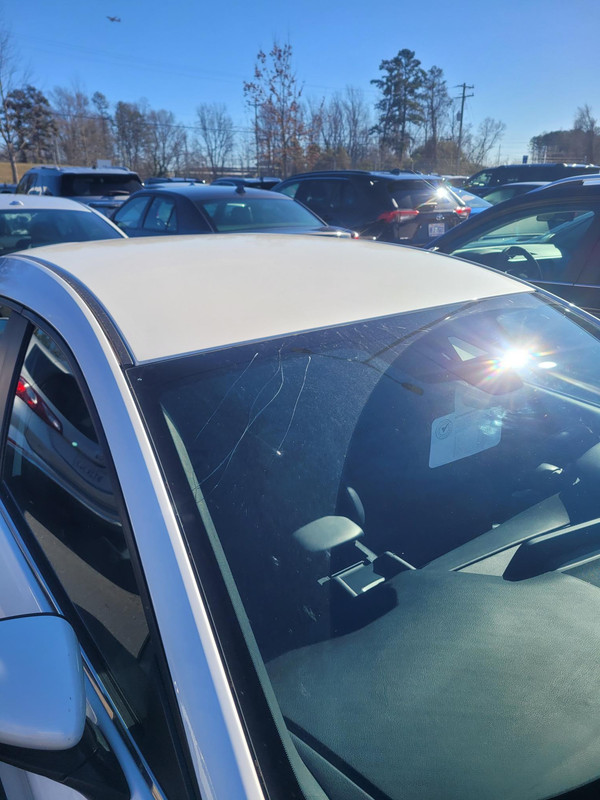
Speed itself isn’t the enemy. Rushing the wrong steps is. The most common shortcuts I’ve seen when schedules are tight: reusing distorted moldings, leaving excess old urethane to avoid cleanup, skipping primer cure time, and sending the car away before the adhesive has reached spec. Each shortcut carries a separate risk. Loose or warped moldings seldom leak immediately, but they sing at highway speeds. Inadequate surface prep causes slow leaks that show up as fogged carpets after rain. Early drive-away weakens structural performance in a crash, a risk you can’t see in daily driving.
You can’t stand over the tech for two hours reciting a checklist, but a few cues speak volumes. If the tech doesn’t mask the interior and dash, that’s a signal they’re trying to shave minutes. If they don’t wipe or re-prime the pinchweld after scraping, or if they set the glass alone without a setting tool on a large SUV, that’s another red flag. Conversely, a tech who refuses to work under an open sky during a cold drizzle is not difficult, they’re careful.
Special considerations for vehicles with ADAS and HUD
Cameras and heads-up displays complicate what used to be a simple swap. The camera brackets bonded to the glass have tight tolerances. Even high-quality aftermarket glass can sit a millimeter off and still cause calibration drift. Some automakers, especially on European brands, publish position tolerances that force shops to use specific calibration gear or OEM glass to guarantee alignment.
Heads-up display windshields use a special laminate layer that reflects the projector. If the replacement lacks the correct wedge or coating, the projected image doubles or blurs. That isn’t fixable with calibration. You need the right glass. Many drivers don’t realize they have HUD since it can be switched off. If you’ve ever seen numbers floating above the hood when you brushed a steering wheel button, mention it when seeking your auto glass quote.
Acoustic interlayers make cabins quieter by damping sound frequencies that otherwise pass through laminated glass. Replace an acoustic windshield with a standard one, and you may notice more wind roar at 65 mph. This is not safety-critical but becomes a quality-of-life issue you’ll live with for years.
Insurance claims, steerage, and your choice of shop
If a rock from a dump truck leaves a crater in your windshield, you’ve got two paths: pay out of pocket or file a comprehensive claim. In many states, a glass claim doesn’t raise premiums the way at-fault claims do, and some states mandate zero-deductible glass coverage. That said, confirm the details. I’ve seen deductibles range from zero to $1,000. If yours is low, you can prioritize quality without price anxiety.
Insurance networks often recommend or “prefer” certain shops. These are program relationships, not orders. You can choose the shop you want. Ideally, ask your shop if they handle billing within your insurer’s network. If yes, they’ll manage pre-authorization, parts, and calibration documentation. If not, you can still use them, but be prepared to pay and get reimbursed.
Keep an eye on the parts discussion. Some insurers default to aftermarket glass. If you want OEM, you may need to show that aftermarket isn’t available with the necessary features or that prior attempts failed calibration. For niche models or new releases, the only reliable option might be OEM, and good shops will document that for your claim.
What a fair windshield quote includes
A transparent windshield quote usually covers the glass, moldings, clips and cowl fasteners that can’t be reused, a premium urethane system, shop materials, labor, and calibration if needed. If your search starts with “windshield quote,” you’ll get a range. Make sure you’re comparing like for like. A lower auto glass quote that excludes calibration or lists “miscellaneous materials” without detail often grows at the invoice stage.
Reasonable lead times and parts sourcing differ by car. Common vehicles with standard features can truly be same-day. The glass is in the distributor’s warehouse, the mobile tech loads it by mid-morning, and you’re wrapped by late afternoon. A less common windshield with exact HUD spec or a specific bracket may take a day or two to arrive. If the shop promises same-day but immediately tries to substitute a different spec, pump the brakes. You’re better off scheduling the correct part tomorrow than living with a persistent HUD double image or a disabled rain sensor.
Safety after you drive away: the first 48 hours
Once you leave, a few simple habits help the install cure and settle properly. Avoid slamming doors. The pressure shock can dislodge new urethane before it sets fully. Crack a window a quarter inch for the first day to equalize pressure when you close doors. Skip the car wash for at least 24 hours, longer if the shop advises, since high-pressure jets aimed at the edges can force water past fresh seals. If you can, park in the sun. Warmth accelerates cure.
Use this time to watch for signs of trouble: wind noise that starts at a certain speed, visible water at the A-pillars during rain, or ADAS warnings you didn’t have before. Modern driver assistance systems sometimes need a short period and a few drive cycles to complete dynamic calibration, but persistent alerts aren’t normal. Contact the shop, not the dealer, first. A reputable installer wants to correct issues promptly and will recheck calibration and seals at no cost.
When repair beats replacement
Not every chip needs a new windshield. A small impact point, no more than the size of a quarter, away from the edges and outside the driver’s direct field of view, often qualifies for resin repair. If you catch it within a few days, success rates are high, and the cost is a fraction of replacement. Many insurers cover chip repair with no deductible. If your damage is fresh and small, ask for a repair appointment instead. A good shop refuses replacement when a safe repair is possible. On the other hand, cracks that reach the edge of the glass or radiate more than a few inches are poor candidates for repair, and attempting to fix them often wastes time before an inevitable replacement.
Same-day versus next-day: a practical way to decide
When a crack shows up on a Tuesday morning and you need the car for a Wednesday trip, the decision often comes down to logistics and risk tolerance. If the shop stocks the correct glass for your VIN, confirms they can calibrate your system in-house, and gives you a realistic safe drive-away time that fits your schedule, same-day service is usually worth it. If any of those conditions are shaky, ask for a morning appointment the next day with parts pre-verified. The difference of 12 to 18 hours is rarely worth compromising on calibration or adhesive cure.
For drivers juggling work, kids, and a car that lives outdoors, mobile same-day service can be a lifesaver. Just make sure weather won’t trap the tech into improvisations. I’ve seen high humidity help cure times, but I’ve also watched light rain push water into the pinchweld area, which no installer wants. If the forecast is iffy, relocate the appointment to a covered garage or the shop. Most glass companies happily switch to in-shop work for that reason.
A short, no-nonsense checklist for choosing a shop fast
- Confirm they support your vehicle’s ADAS calibration type and can perform it the same day. Ask for the exact glass part specification, OEM or named aftermarket, matched to your VIN. Get the safe drive-away time for your weather and whether the vehicle has passenger airbags. Ensure moldings, clips, sensor pads, and calibration are included in the written quote. Verify a lifetime workmanship and leak warranty and how they handle post-install issues.
The bottom line on value
Same-day windshield replacement can be worth every penny when the shop respects the details: proper glass, correct adhesives, careful prep, and calibration done right. It keeps you on the road, restores safety, and avoids living with a growing crack that throws glare into your eyes at night. The service becomes expensive, not in money but in consequences, when speed erodes the fundamentals.
If you’re weighing options right now, gather two or three quotes, not just on price but on process. You’ll quickly spot the difference between a vendor selling time slots and a team that understands your car. When your search for “auto glass near me” turns up a shop that answers detailed questions without a beat, you’ve likely found the right partner, whether you book the job for this afternoon or tomorrow morning.